Liam Smollan

Currently reading

From South Africa, studying physics at Edinburgh and leading plasma diagnostics for Xenith's Hall thruster team. More about me →

Builds

← Home

012026

Faraday Cup for Xenith

One of 12 researchers selected, youngest on the team. Plasma diagnostics fabricator, building the plasma probe for our Hall effect thruster. Hot fire in May 2027.

Why
My future goals, and a group almost as passionate about space as I am.
How
I'm the plasma diagnostics fabricator, building a plasma probe (a Faraday cup) to measure our Hall effect thruster's plume. So far that's electric propulsion literature, calculations and CAD.
The work
Meeting engineers from the European Space Agency, asking NASA engineers questions in Discord servers, and working in a flat, very technical team where I have real agency over decisions and all the maths I do is critical.
Hardest part
Nobody has done this before and we don't have a vacuum chamber, so we've had to bootstrap our way into one to test in.
What I learned
The economics of electric propulsion, and how much it really costs to build.
Impact
We've qualified for Race to Space. Hot fire against other schools in May 2027.
Extra info

Xenith is Edinburgh's new rocketry R&D team. We are racing Southampton to be the first student team ever to design both the power processing unit (PPU) and the cathode of a Hall effect thruster from scratch. That also makes me, to our knowledge, the first student to build a Faraday cup that integrates with an in-house PPU. (Though this is Europe, so we might be stuck in the literature indefinitely.)

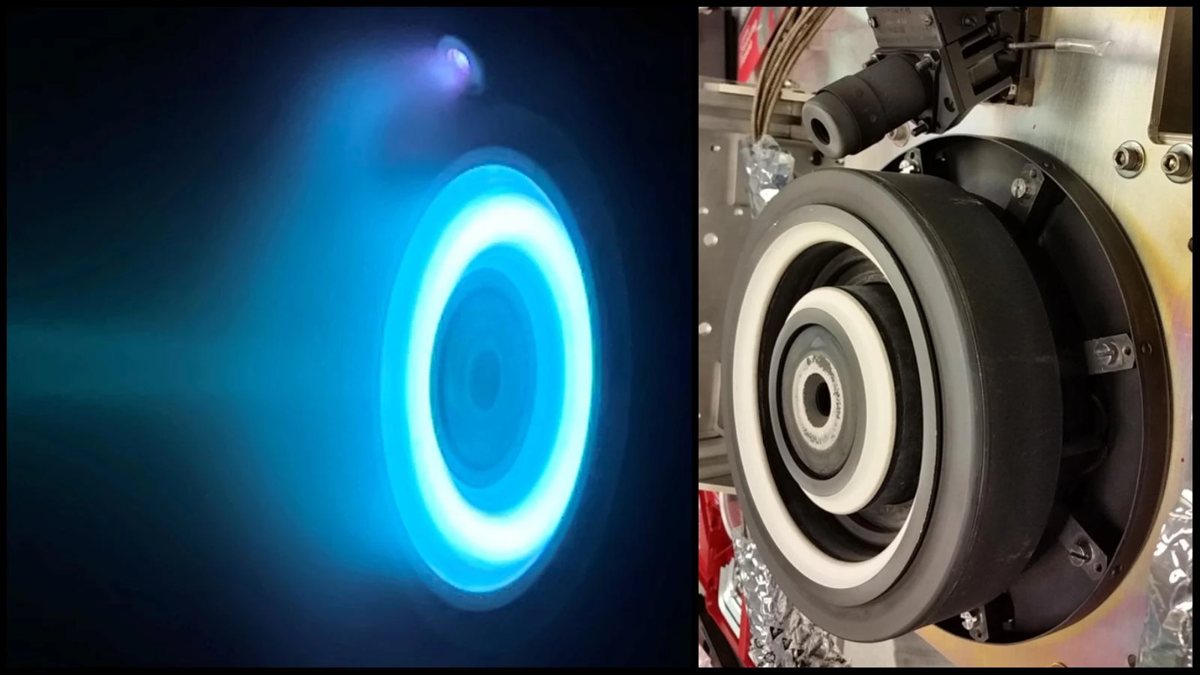
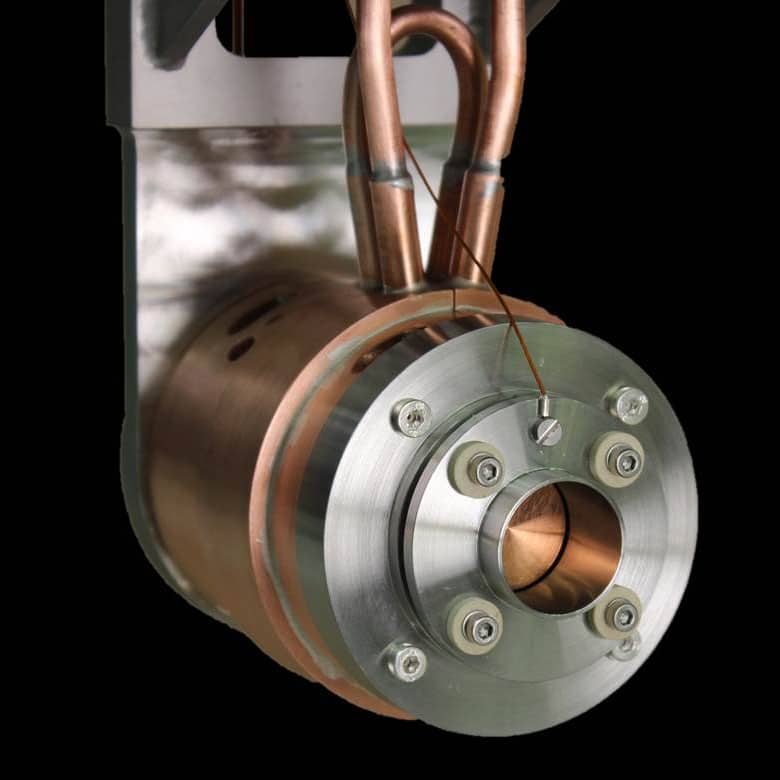
I don't have good images of what we've built yet, because most of it is still CAD and maths. These show what we're building: a Hall thruster, and the Faraday cup that's my responsibility.

A Hall effect thruster firing with a blue plasma glow, next to the same thruster switched off.
A Hall effect thruster, firing and off. Image: NASA JPL.
A Faraday cup: a copper and steel cylinder with water-cooling pipes.
A Faraday cup, the instrument I'm designing. Image: Princeton Scientific Corp.
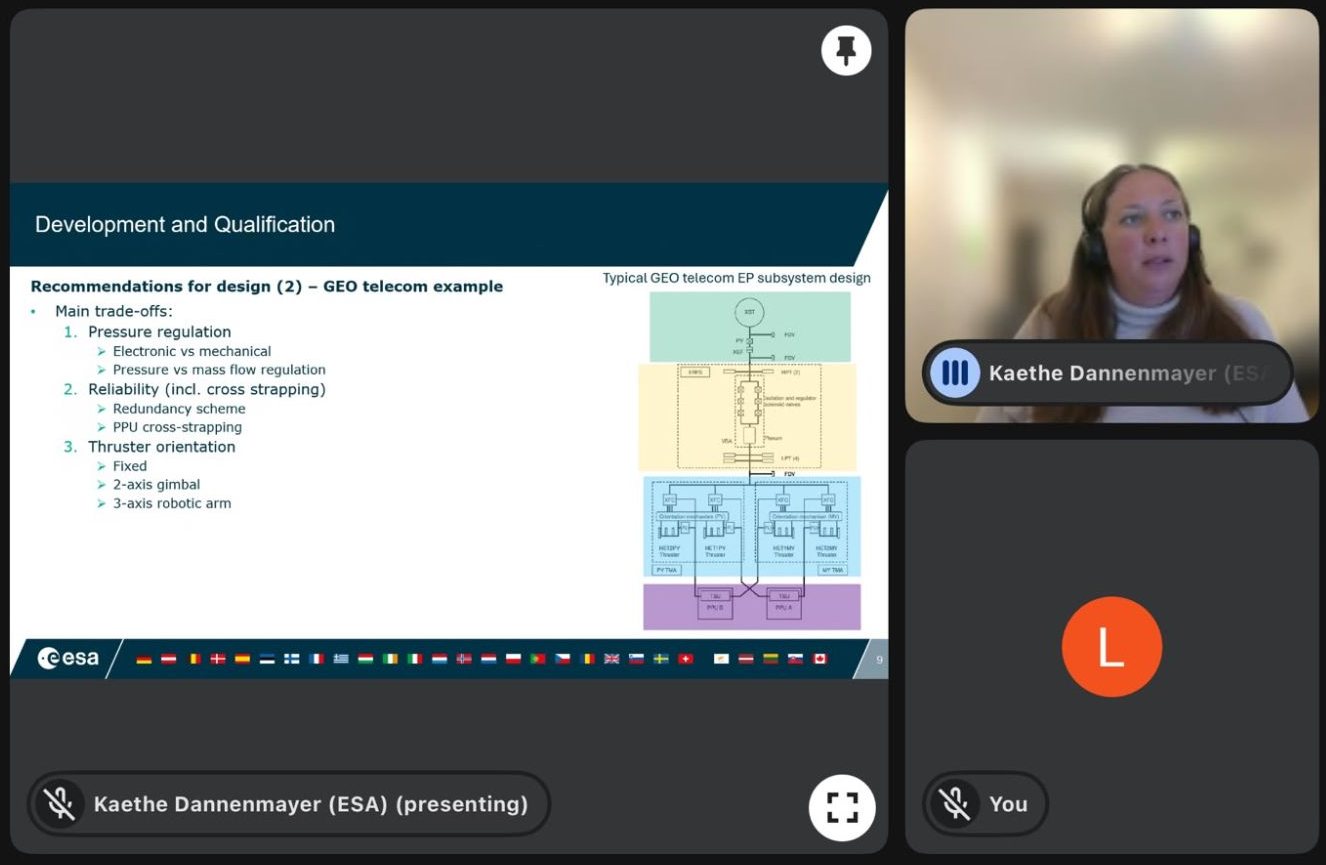
A video call: Dr Kathe Dannenmayer of the European Space Agency presenting a slide on electric propulsion design trade-offs.
Our team on a call with Dr Kathe Dannenmayer from the European Space Agency. We covered electric propulsion on telecom satellites, where to position thrusters for orbit raising and station keeping, and technology readiness levels (TRL), which apply directly to the company ideas I'm working on.

022026

Geodesic Black Hole Simulation

A physical hologram display. Using D:REAM, a novel hybrid topology architecture I designed, it produces a realistic hologram of celestial bodies, or anything with a black background.

Why
After reading Brian Cox's Black Holes, I was, and still am, completely engrossed by general relativity.
How
I learned how geodesics and ray marching work, and built a simulation that uses physics to ray-march light around a gravitational field.
Hardest part
The only processor I had that could barely run it was a seven-year-old Raspberry Pi. It's built, but the tracking looks a bit like I gave it 15 Red Bulls, and no matter how much time I put into the code, I can't quite get it perfect… Yet!
What I learned
Some general relativity, how predictive head tracking works, and when hardware really needs to be over-specced, plus how to spot those situations earlier.
Next
An OLED version: a new kind of hologram that can show any object in space in your own room.
Extra info

Switching from Mechanical Engineering to physics felt like a real risk. It led me down a very deep rabbit hole, at the bottom of which, quite fittingly, seem to be black holes.

In 1972, Press and Teukolsky showed that if you surrounded a spinning black hole with mirrors, waves would steal a little of its spin on every pass until the energy ran away exponentially: a black hole bomb.

I proved the concept with a wine glass on my laptop screen, then designed and scrapped about five versions: azimuthal tracking only, two wine glasses to actually bend the light, wine glasses with a 3D hologram fan, and more.

Rather than learn tensor calculus, I found a neat mathematical trick on GitHub that allows a proper geodesic simulation without it. I had to take the Pi off my chip stack about seven times to reconnect it to my laptop, and pre-rendered the entire longitudinal axis: for a Schwarzschild black hole, apart from the accretion disk turning, any azimuthal rotation is unnoticeable. I've also swapped through several face-tracking models.

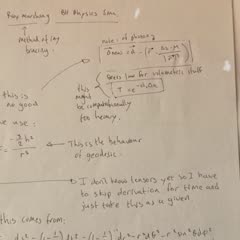
My notes for the display: how the Pi, servo and camera connect, and the geodesic maths, including where I had to skip a derivation because I don't know tensors yet.

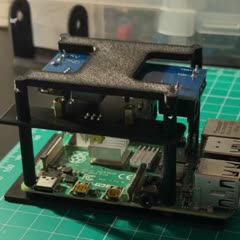
Hardware: Raspberry Pi, Pi camera with an infrared ring, servo mount, glass sphere.

The build: the Raspberry Pi stack and servo mount behind the screen, and the Pi camera with its infrared ring underneath.

032026

Appliance Fingerprinter

Measures the electromagnetic field around a mains lead to identify plugged-in appliances in real time, at 97.6% mean accuracy. The ML code, training and test data were all captured and built by me.

Why
After reading The Player of Games by Iain M. Banks, I wanted to explore whether a new, more general kind of intelligence was feasible in the home.
How
An ESP32-S3 reads a clamp around one wire of a mains lead, and a model I trained recognises each appliance's current signature.
Hardest part
Getting a trustworthy result from about ten examples per device, and separating one hairdryer's two settings.
What I learned
A very successful project. I learned a lot about signal processing, sampling and electronics, and it's almost exactly the same architecture as my plasma probe's line to the thruster's microcontroller and PPU.
Where it's going
I've just read John von Neumann's work on self-reproducing automata, and looking at this project again has me thinking about machine resilience: using analogue and digital signals, the way the fingerprinter does, to monitor the health and performance of robots. I believe industry already does this to monitor motors on assembly lines.

See the GitHub repo for technical details →

Extra info

Every appliance draws current differently, because its insides decide when in each mains cycle it pulls current. A toaster's heating element draws an almost perfect sine wave; a blender motor spikes as it spins up from rest.

When something switches on, the ESP32 captures the waveform and reduces it to 13 physical features: the turn-on surge, harmonic content, spikiness and steady-state current. A random forest names the appliance. Across 105 rounds of cross-validation it averages 97.6% accuracy (±6%) on a toaster, a NutriBullet, and one Dyson hairdryer on hot and on cool. On cool the Dyson is a brushless motor full of harmonic distortion; on hot the heating element takes over.

I'd been mulling over a power start-up that would use fault-managed (Class 4) power and AI to manage consumption appliance by appliance and let a neighbourhood share solar off the grid. This project is the small, focused version of that.

Next: a voltage channel for real power, many more devices, saying "I don't recognise this" instead of guessing, and running the model on the device instead of a laptop. I did all of the data collection and machine learning myself.

Tools: ESP32-S3, SCT-013 current transformer, Python, scikit-learn.

Classifying a NutriBullet live, ending at 97% confidence. The fright at the start is real.
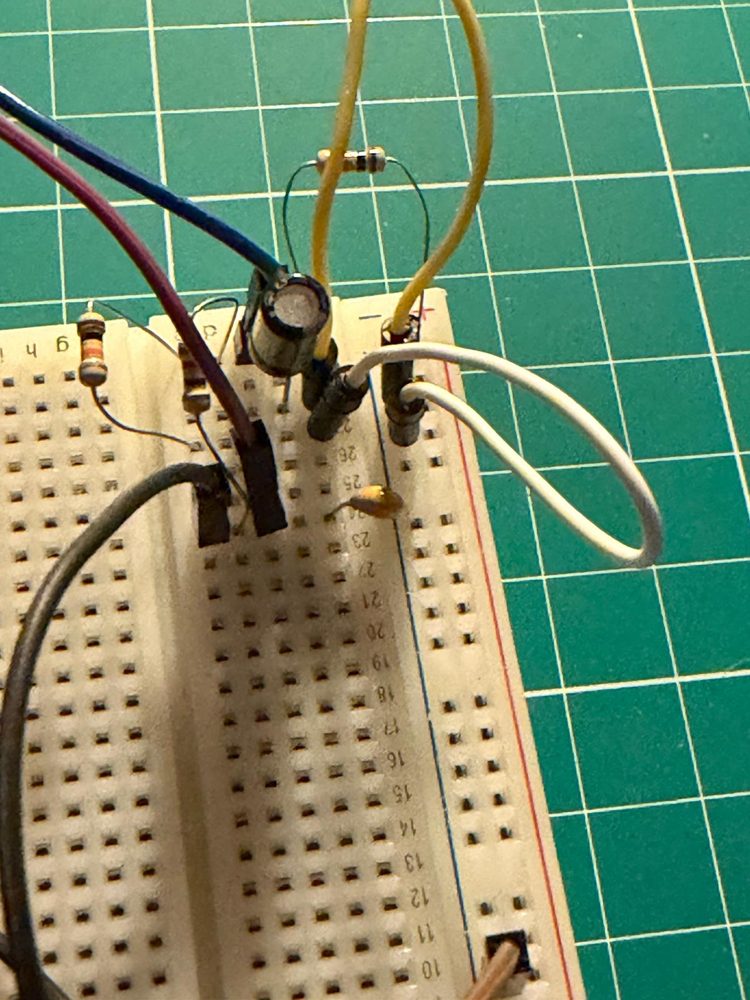
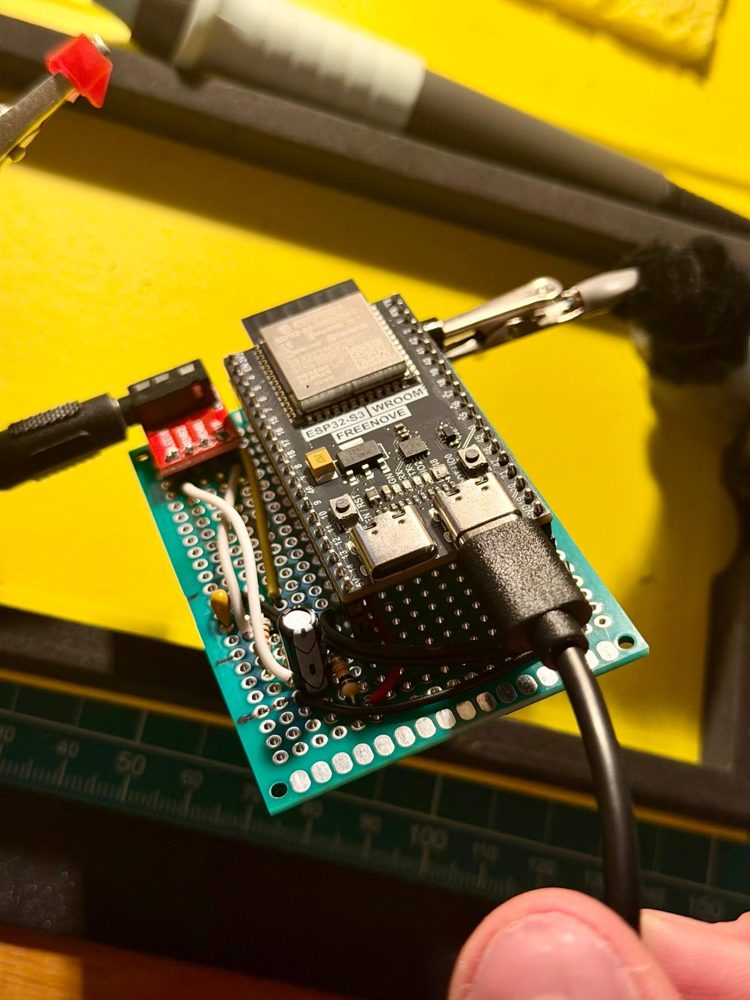
Laying out and soldering the board.

042026

Footstep Detector

An early-stage acoustic sensing project: telling people apart by the sound and cadence of their footsteps.

Why
I thought sound might be a better way to predict when to turn the heating on. And for some reason I can tell my mom, dad and brother apart from their footsteps alone, so there's no reason a machine learning model shouldn't be able to learn it too.
How
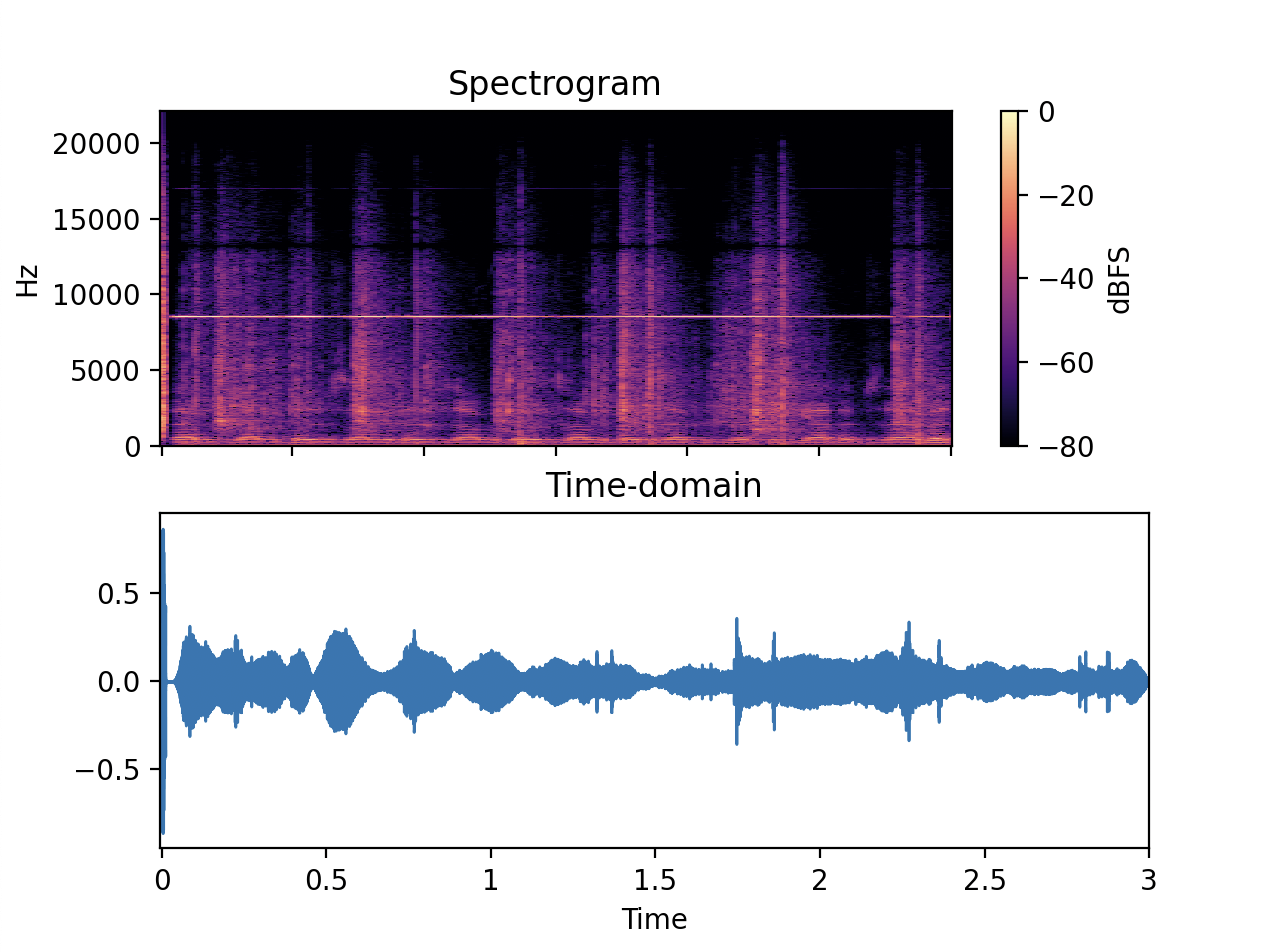
A Python script records audio from a laptop mic, then plots it as a waveform and a spectrogram (a short-time Fourier transform) on a shared time axis, to see what a footstep actually looks like as data before trying to classify anything.
Hardest part
Building something I actually understood. I let AI handle setup, but wrote the signal processing myself from the librosa docs, and stepped through my own code in a debugger when stuck instead of asking for the fix.
What I learned
What a short-time Fourier transform does, why spectrograms need a decibel scale to be readable, and that the spectrogram catches things the waveform hides.
Next
It led straight into the Appliance Fingerprinter. Here, the plan is a labelled dataset, a small CNN on the spectrograms, real-time detection, and then a Raspberry Pi with two microphones to try to tell floors apart.

See the GitHub repo for technical details →

A spectrogram above a waveform of three seconds of audio: footsteps and background noise, with a steady line at about 8,500 Hz.
My brother and me making a lot of background noise while a phone plays an 8,500 Hz tone. The spectrogram catches the tone as a steady line that the waveform hides. The gap near 13,500 Hz might be the HVAC cancelling it out.

052021

RFID Door Lock

A keycard lock for my bedroom door, built at 15.

Why
My parents wouldn't let me lock my door, so I built something that didn't technically involve "locking my door".
How
An Arduino with an RFID reader drives a servo inside the door's own lock, opening it for the right keycard.
Hardest part
The servo was slightly underpowered, a problem I'm having again with the black hole simulation.
What I learned
Two lessons I've since had to learn again. Check the hardware is specced for heavy moving parts. And always have a kill switch: I locked my keycard in my room more than once.

I sawed the lock mechanism out with a hacksaw and fitted a paperclip and the servo into it. I tuned the timing to match how long the door took to close on its own, which made it feel a lot like a hotel door.

Tools: Arduino, RFID reader, servo.

Building it: wiring the Arduino and RFID reader, and the holes left in the door where the lock mechanism came out.
The finished lock: tap the keycard, the light turns green and the door opens.

Mini builds & unfinished

062026

Sugar Rockets

Three solid rocket motors from sugar and potassium nitrate (KNO₃). All three fired.

Why
A mini project, just for fun and to learn the basic physics of propulsion.
What I learned
How a nozzle works, and what makes a good chemical motor versus a bad one. Most of it came from a lot of BPS.space and Tech Ingredients videos on YouTube.
Lighting one of the motors.

072024–25

Bedside Alarm Robot

A mini concept: a bedside robot toy that tells children in South Africa when the house alarm is on.

Why
As a kid in South Africa, I was a bit paranoid about whether the house alarm was on.
How
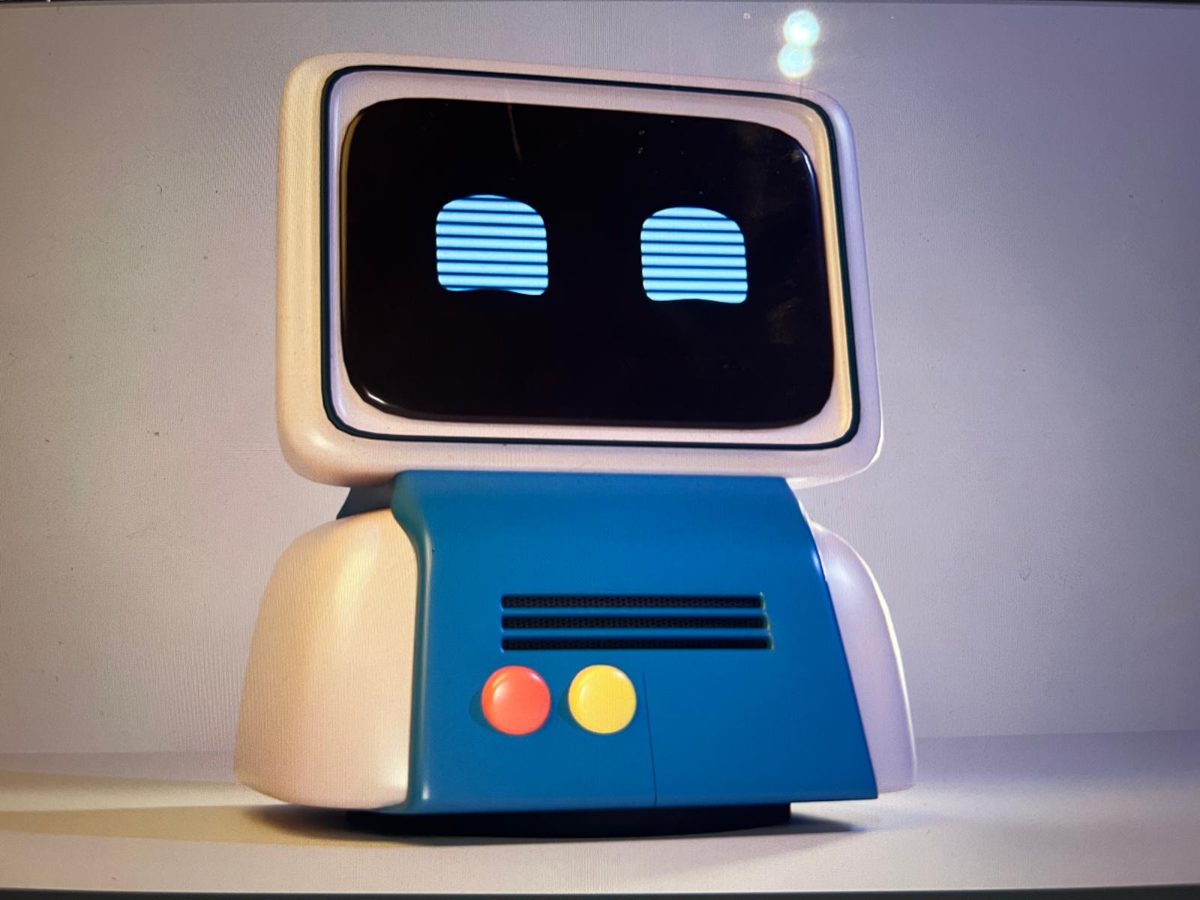
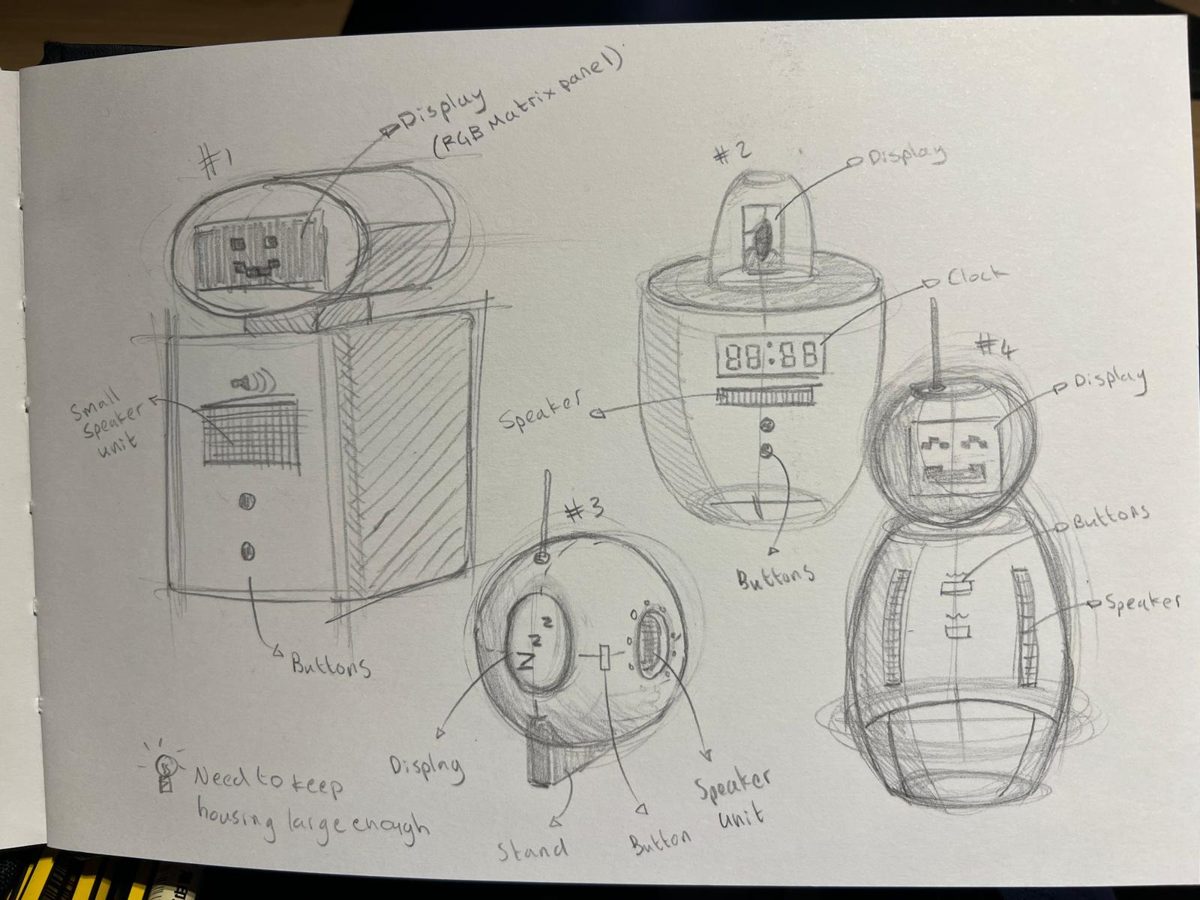
Four sketched concepts, each with a display for a face, a speaker and buttons, then a 3D render of the design.
Status
A concept, not built.
A render of a small robot with a screen for a face showing two eyes, a blue body with a speaker grille, and red and yellow buttons.
The render.
Pencil sketches of four robot concepts, labelled with display, speaker, buttons and clock.
Four sketched concepts. Note to self: keep the housing large enough.

Projects

← Home

012026

Orbit

The app university societies run their events on. Built in 19 hours. 10 societies since launching in October 2026.

Why
The system my university ran on frustrated me: there was no single place where students could see everything happening on campus.
The rule I changed
The university already had its own events app. I didn't think it was good enough, so I built a rival.
How
I had the idea just before the summer holidays. While a few stray students were still on campus, I went round asking whether they'd use it, and got an unbelievable amount of support.
Hardest part
Over the holiday I was laser-focused on Japanese and engineering. When the students' association emailed on a Wednesday asking to meet that Friday, I paused my black hole hologram build, called a friend, ordered takeout and built the whole app in 19 hours.
What I learned
Talking to users, keeping those relationships and using the connections matters most at the start. Most of Orbit's features came from their suggestions, and they weren't what I would have built. People frustrated with the current system have usually already worked out what a better one needs.
Getting societies on board
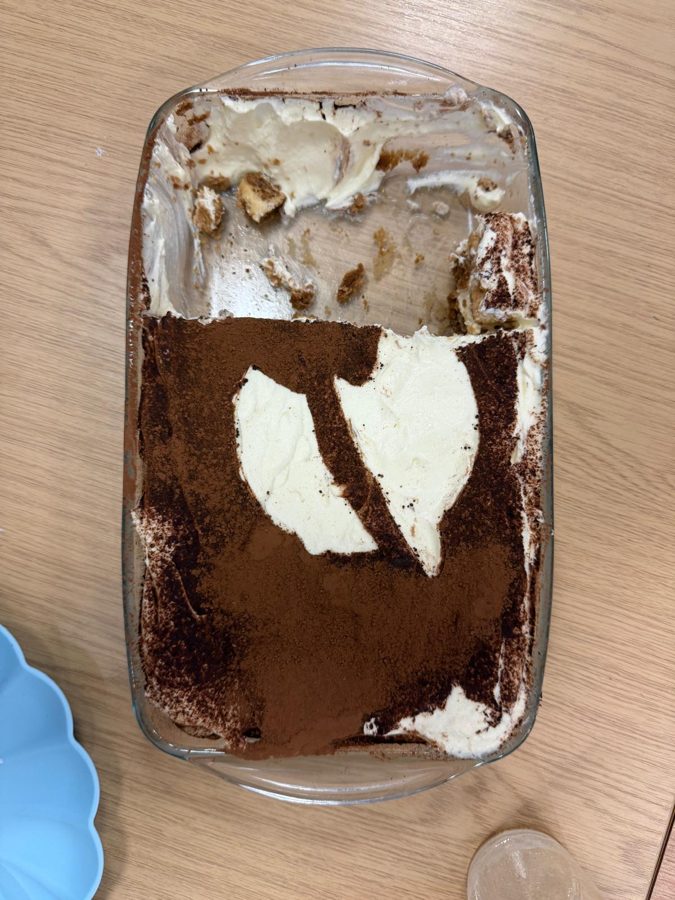
I've spoken to the students' association, the Sports Union and about 20 society committees, in person and online. I've mopped up cocktail spills at Cocktail Soc events and baked branded tiramisu for the Baking Soc.
Impact
10 societies have joined and started posting. I'm in touch with the university exec, and getting in touch with schools in the US.
Extra info
My planning notes for Orbit: what we didn't want, the pitch, and the financial model.
More Orbit planning notes.
Our promo video, made with AI.
A glass dish of tiramisu, half eaten.
The tiramisu we baked for the Baking Soc, to get them to join.
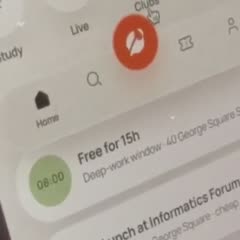
Orbit on the Friday morning, just before 10 a.m. and the call with the students' association.

022019–now

Japanese

Not really a project, but seven years of self-study felt like enough to count. Been on NHK.

Why
At 13, I decided mandatory chapel was not for me, so I snuck up to the top of the library to study Japanese instead.
The rule I changed
When I transferred from South Africa to a school in the UK, Afrikaans wasn't recognised for language credits. So I convinced the school to let me self-study Japanese and give me the credits for it.
How
Formal self-study for years. Now I don't need much of it, and I mostly learn by speaking and listening.
Hardest part
The first four years. I was told many times that it was close to impossible to get good without living in Japan, and asked whether it was a waste of time. Keeping my conviction long enough to get here was the hard part.
Where I am now
I can follow anything in everyday conversation, and some more advanced topics like automotive engineering.
Impact
I chat with friends in Japanese, and I've been on Japanese TV.
On NHK, in a segment about an Edo wind chime workshop in Taitō, Tokyo.
My kanji practice books.

032026

Structural Compression

A small, unfinished study. A presentation for a company, built on Block's paper From Hierarchy to Intelligence: treating a company's structure like an AI model, and using maths to cut the drag of bureaucracy.

Why
I'd watched a 3Blue1Brown video on entropy and compression and saw clear connections to how companies are structured. I'd come up with the report-ratio metric before Block's paper came out, so reading it felt like validation, and I wanted to explore the idea further with maths.
How
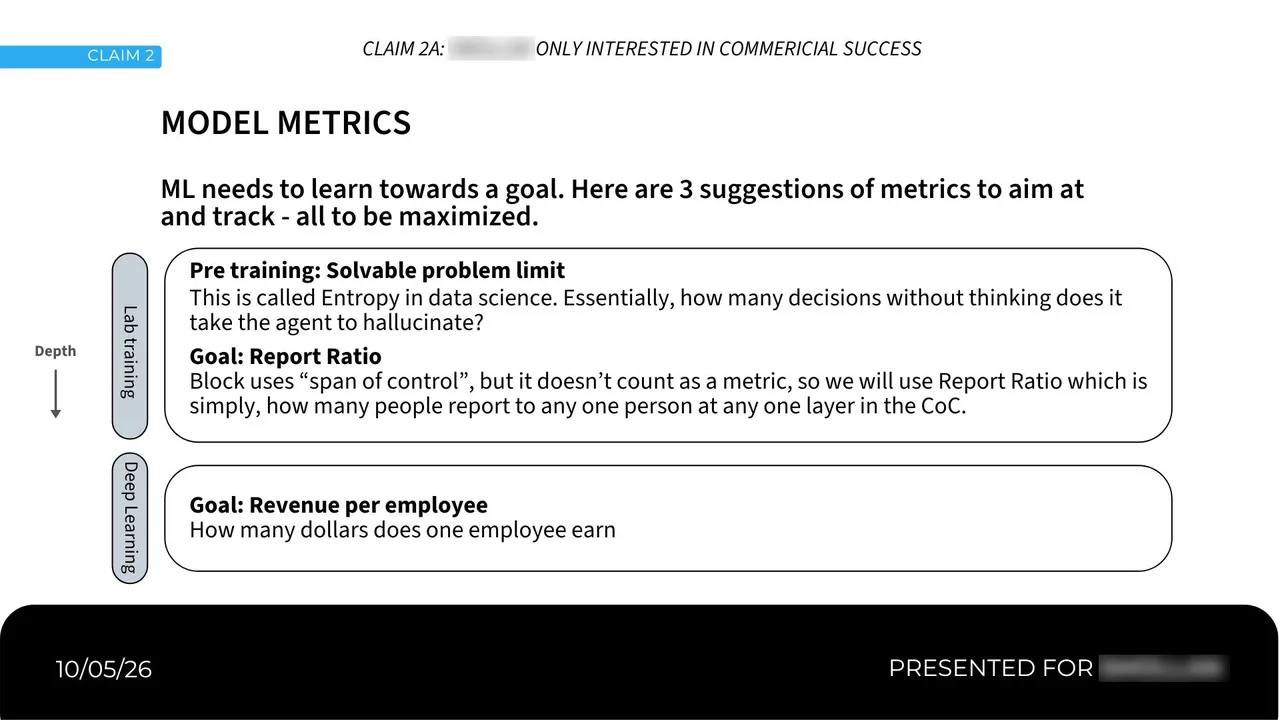
I mapped the company onto a machine learning model, then used information theory (entropy, and information as surprise) to pick metrics to train it towards: how many decisions can be made without escalating, how many people report to each person, and revenue per employee.
Status
Incomplete, and I'm leaving it there. Someone could build learning software off the back of it that flattens bureaucratic companies using ML fundamentals. I'm just not passionate about that, so I'll leave it to someone else.
Extra info
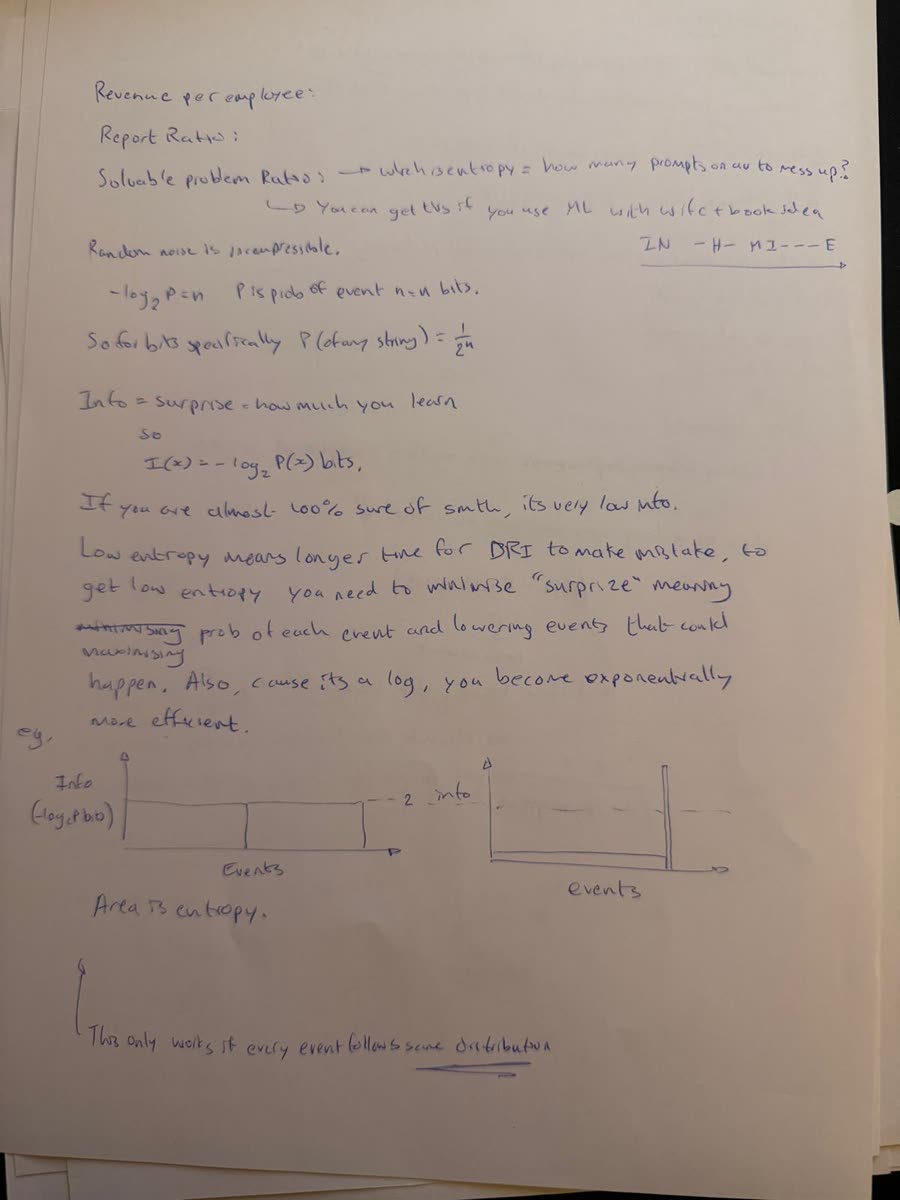
Handwritten notes on information theory: entropy, information as surprise, and a directly responsible individual.
My notes: information as surprise, entropy, and what low entropy means for a directly responsible individual (DRI).
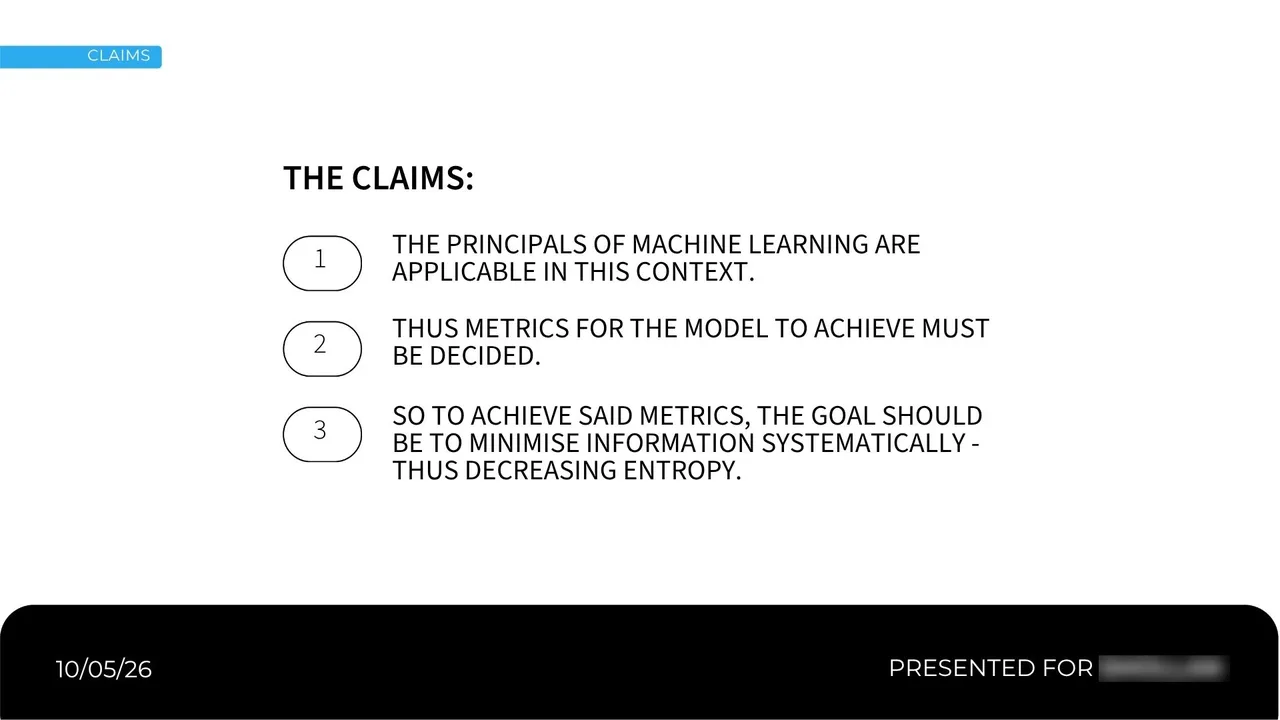
Slide: The claims: machine learning principles apply to how a company is structured.
The claims: machine learning principles apply to how a company is structured.
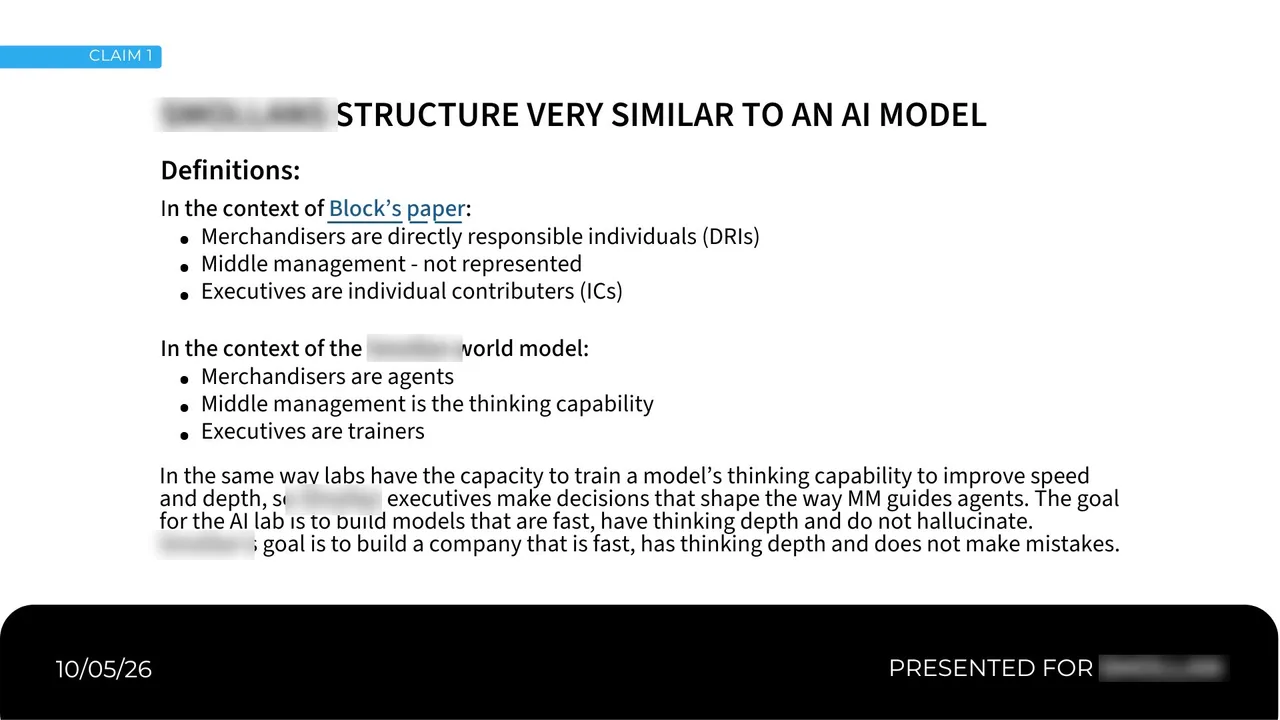
Slide: A company's structure mapped onto an AI model: merchandisers as agents, middle management as thinking capability, executives as trainers.
A company's structure mapped onto an AI model: merchandisers as agents, middle management as thinking capability, executives as trainers.
Slide: Three metrics to train towards: solvable problem limit, report ratio, and revenue per employee.
Three metrics to train towards: solvable problem limit, report ratio, and revenue per employee.
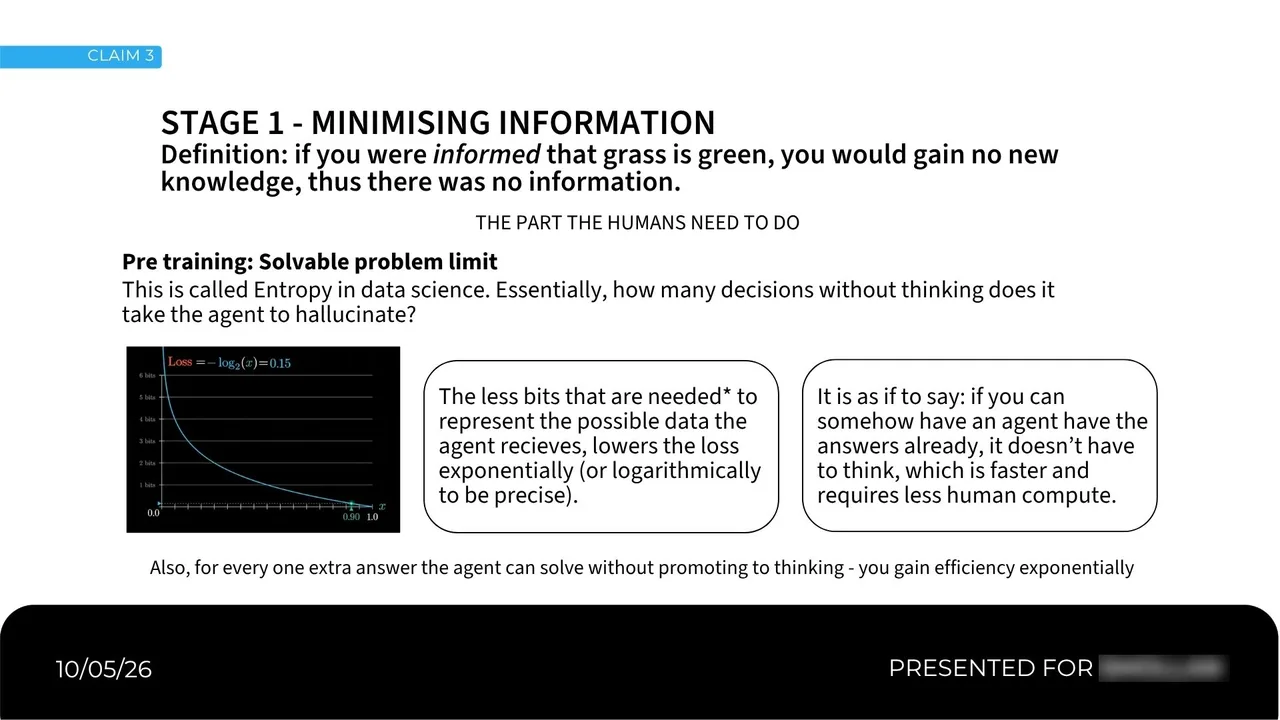
Slide: Stage 1: minimising information, so more decisions can be made without escalating.
Stage 1: minimising information, so more decisions can be made without escalating.
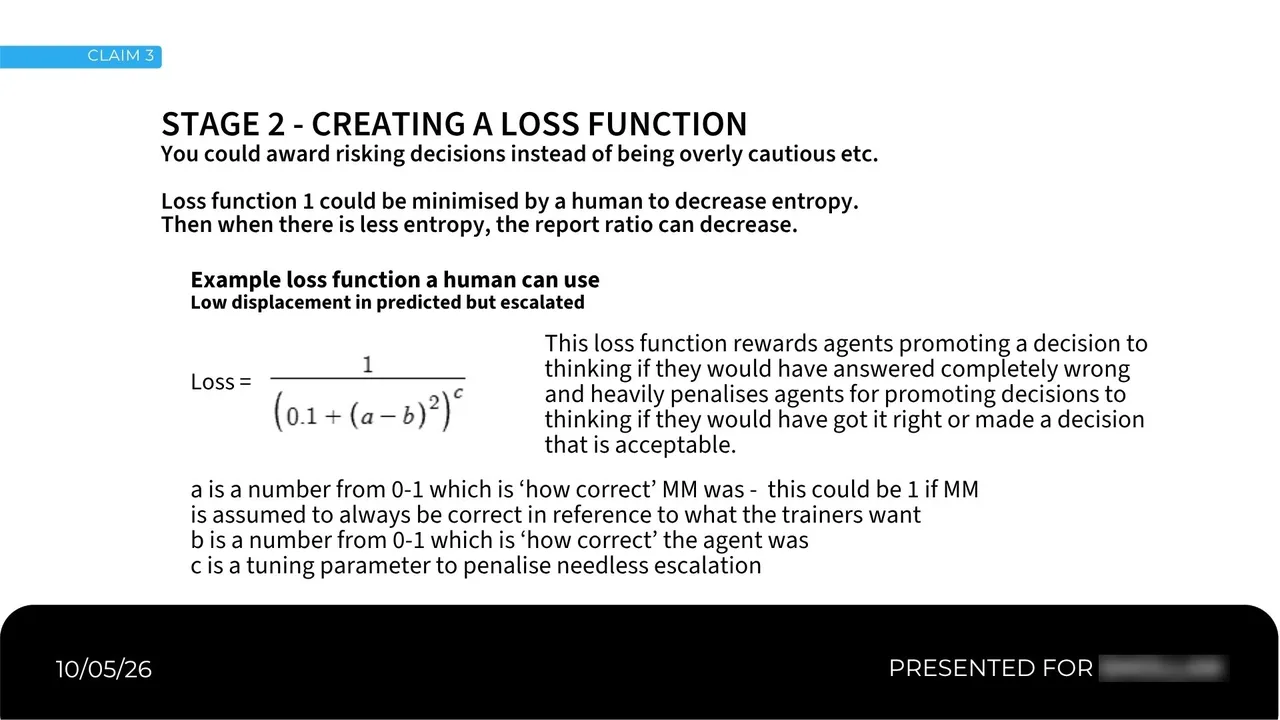
Slide: Stage 2: a loss function a human can use to reward and penalise escalation.
Stage 2: a loss function a human can use to reward and penalise escalation.
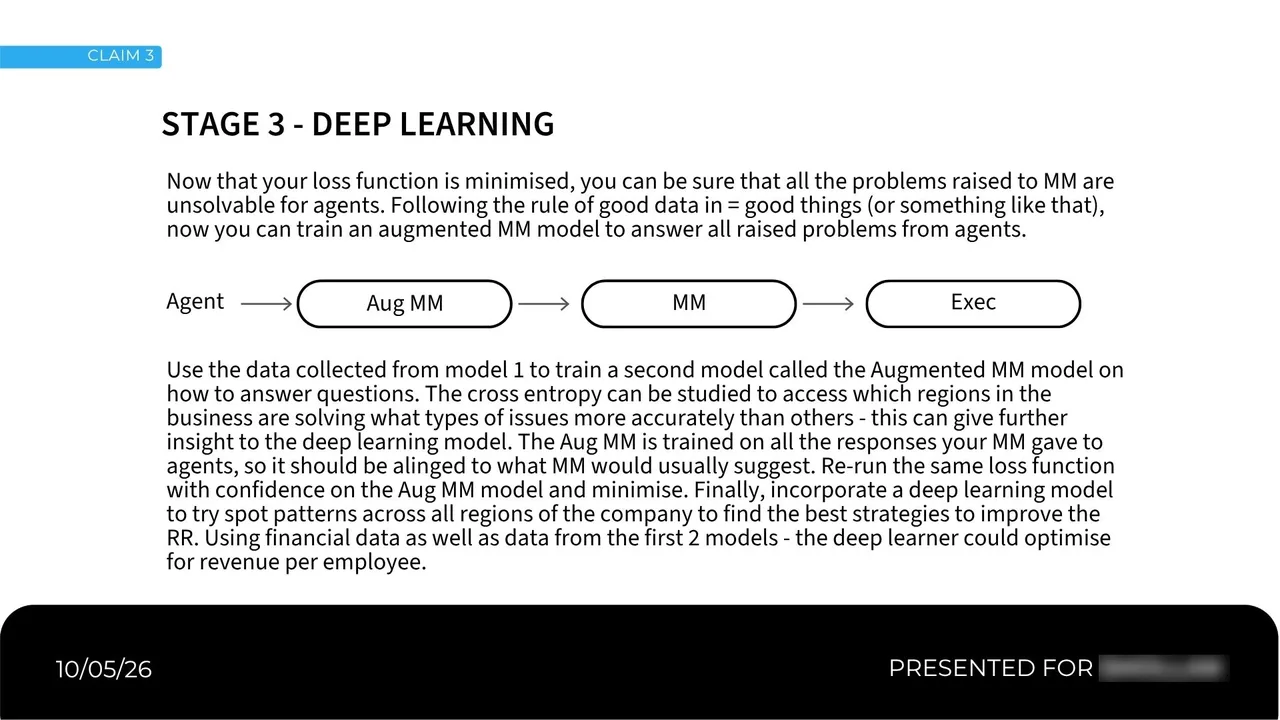
Slide: Stage 3: deep learning on the decisions collected in the first two stages.
Stage 3: deep learning on the decisions collected in the first two stages.

042024–26

Origin Studios

A D&D publishing studio I started at 17. Reached 6.1 million players. Closed.

Why
I started playing Dungeons & Dragons at 13. At my new school in the UK, my friends were into gaming and thought D&D was nerdy, slow and rules-heavy. So I made a faster, more competitive version that didn't need a long commitment to a story. They loved it, and I thought other players might too.
How
A Shopify store and an Instagram account, run with my brother and a friend from high school.
Hardest part
We had picked the wrong market, so it never made real money.
What I learned
The result was null in revenue but not in information. I had the magnitude part pretty much down; I just needed direction.
Impact
Our posts reached 6.1 million players, college clubs in the US played our campaigns, and we ran activations with creators with over 100K followers, like Deck of DM Things.
Extra info

Tools: Shopify, Instagram. @origin_studios_ on Instagram

A D&D creator talking about Origin Studios (Instagram reel)

A D&D club in the US playing our adventure at their Halloween event (Instagram)

The night before we made the site public, alongside the promo video from Deck of DM Things.
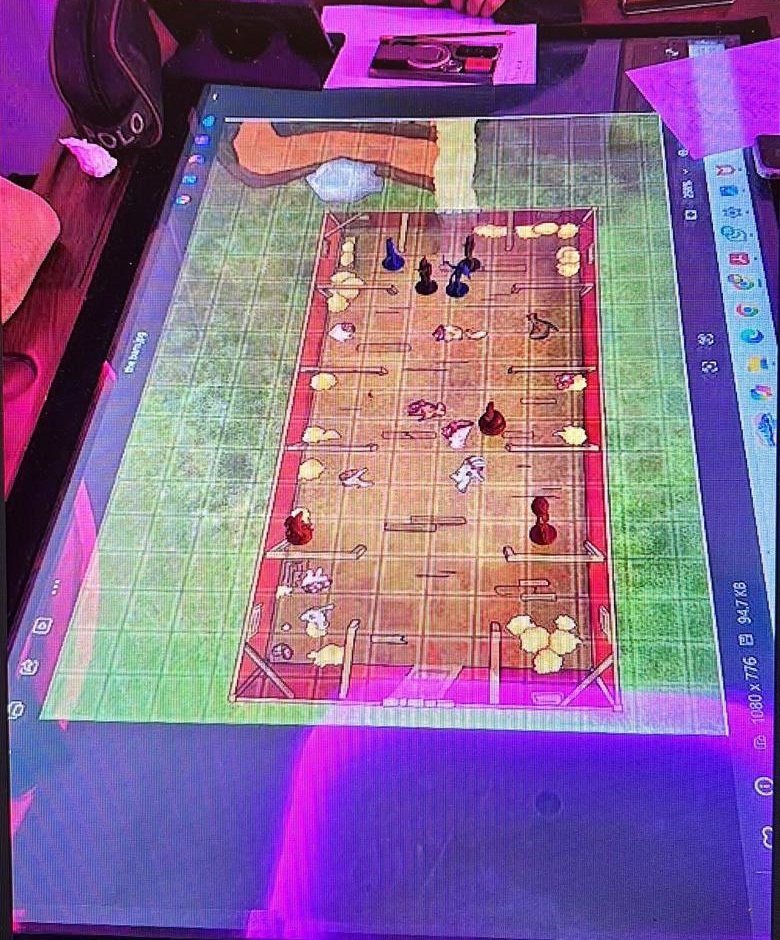
A digital tabletop showing a battle map with miniatures, from a player's Instagram story.
A group somewhere in the world playing The Lantern Keeper, one of our adventures. They tagged us in their story.

052023–24

Blender and D&D at School

The first student at my school to use Blender for art. Pioneered a Dungeons & Dragons course in game design. Grade 11.

Why
Blender has always fascinated me: how people have to describe shapes to a computer so it can wrap textures or generate things procedurally. Years of it made CAD easy to pick up, because I already understood what a computer understands about virtual objects.
The rule I changed
Art had no 3D design and game design had no Dungeons & Dragons. I added both.
How
I brought Blender into art for 3D design, and built a Dungeons & Dragons course into the game design class.
Impact
Students learn the importance of storytelling, imagination and world-building.

Award: Confident Individual Award for 3D Design →

062023

MyPocketSkill

Paid brand ambassador, one of 24 out of 200,000 student users. Level 3 in IT and Digital, the highest rating. Around 17.

How
I did photography on the platform and earned the highest rating in IT and Digital.
Impact
As a paid brand ambassador, I made content for them and advised on their social media and website design.
Extra info
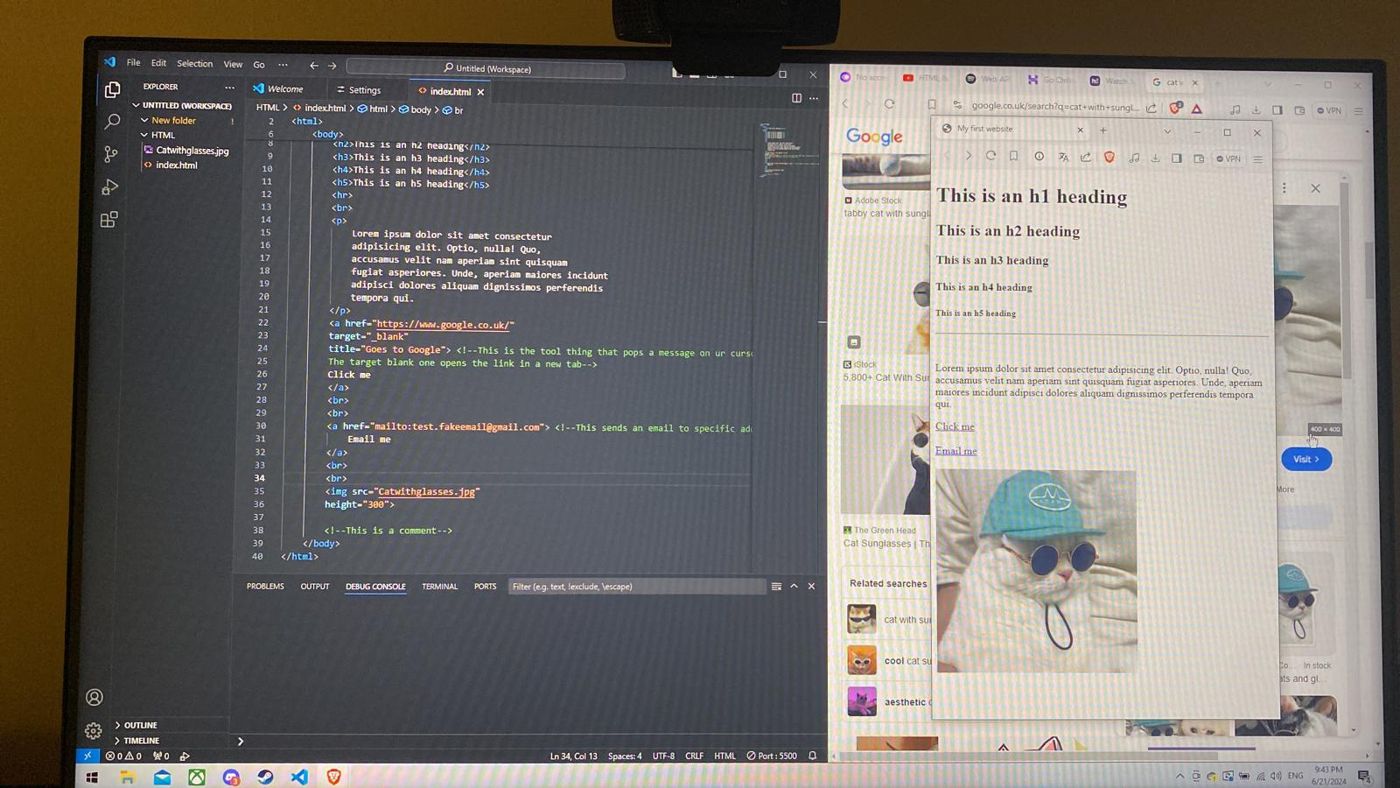
My first website in VS Code and the browser: headings, links and a photo of a cat in sunglasses.
Learning web development: my first website, June 2024.
The same site, now with a dancing cat.
Content I made for MyPocketSkill as a brand ambassador.

Some of my photography.

072023

Bump Up

An SEO agency, at 16. Meetings with Bone Daddies and Twist Connubio. Closed.

Why
It was my first attempt at building something commercial.
How
I connected potential clients with a search engine optimisation team in India, finding them through over a hundred hand-written emails and a lot of cold calls.
Hardest part
The hard thing about doing hard things: keeping going, sending emails early every morning, working out fair pricing, and scouring the internet for emails that actually reach the boss. Looking back, it's funny how hard a problem I picked (a very competitive market), and how much easier all of it would be with AI.
What I learned
How to design a sales pipeline, how to price, and how SEO works.
Impact
Meetings with three companies, including Bone Daddies and Twist Connubio. I stopped to focus on getting the marks I needed for university.
Extra info

Twist Connubio is a tapas restaurant in London. Bone Daddies is a London chain of just under ten ramen bars. The third company I've forgotten the name of.

082020

My First $100

Resold old Lego sets at 14. A few thousand rand: my first $100.

Why
Growing up in South Africa, you're around a lot of poverty. A business that took things other people didn't want and made them cheaper for other kids to enjoy really appealed to me.
How
I bought old sets, washed the pieces, found a QR code for the instructions, then packaged it all up and sold it online.
What I learned
Kids my age were moving on from Lego (I still haven't), so lots of homes had dusty, mostly complete sets that still held their value.
Impact
A few thousand rand, which was a lot of money for me then. When a woman came to our house to buy a couch, I pitched her and sold her two sets on the spot.

092020

Hajime100

A productivity blog I started at about 14. 77 subscribers, and an e-book for scholars in South Africa's SSP.

Why
I was really struggling to study with unmedicated ADHD, and I was developing concentration tactics that worked, like cold plunging before it was trending online.
How
A Substack I shared around my grade at school, later collected into an e-book.
Hardest part
The writing itself. I'm not a natural writer, but I enjoyed it.
Impact
I hope it helped most of my grade at my old school. The e-book went to the SSP's 300+ active scholars, a programme for underprivileged scholars in South Africa, and I'm now mentoring one of them, who starts at my dad's old school next year.

hajime100.substack.com

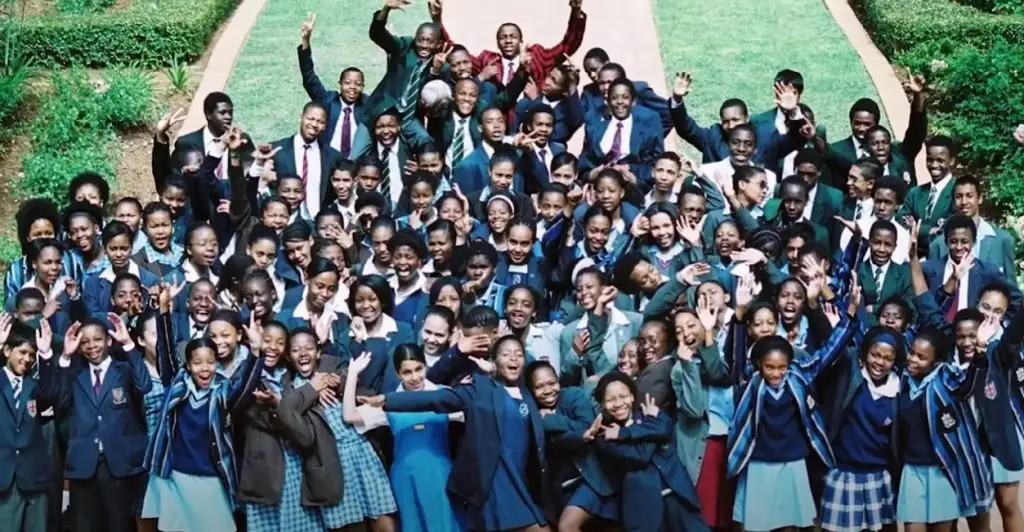
A large group of SSP scholars in school uniform, cheering on a lawn.
Scholars in the SSP.

Internships

← Home

012024

Built a lightweight vessel for a superconductor @ Magway

Intern, Grade 12. The only high school intern. Two weeks full-time.

Extra info

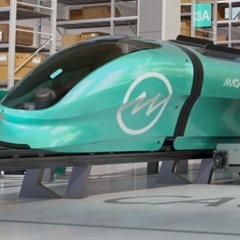
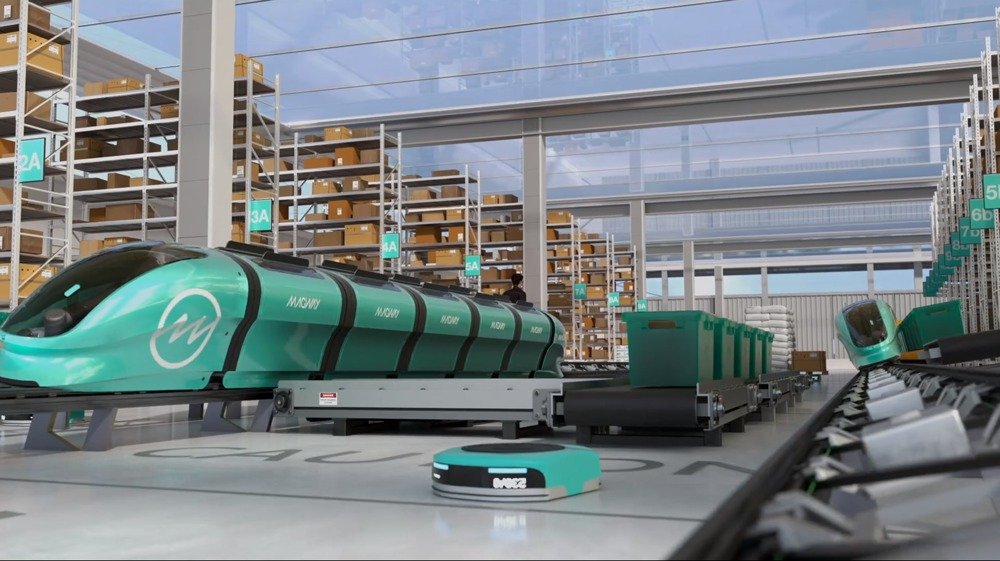
Magway builds maglev for sustainable transport. I built and tested superconducting track, designed a lightweight insulation vessel, and learned how a tech start-up actually runs.

A render of Magway's green maglev freight pods running through a warehouse.
Magway's maglev freight system. Render: Magway.

022023–24

Mechanical engineering @ Oxford

Oxford Summer Schools, Grade 11. Two weeks full-time.

Extra info

Aerodynamics, thermodynamics and fluid dynamics, mechatronics, and structures and materials, plus training in computer-aided design.

032023

3 full car services, a transmission fluid bleed and more @ Volkswagen

Apprentice mechanic, Grade 11. Two weeks at 50 hours a week.

Extra info

Three full car services, 12 tyre changes and rotations, and a transmission fluid bleed. I shadowed a senior mechanic through a Scirocco engine rebuild and a transmission swap on an Amarok.

Awards

← Home

01

Grade 12
Head of School's List for academic achievement
Grades 10, 11
Honour Roll for academic achievement
Grade 11
Confident Individual Award for 3D Design (Art & Design). The project →
Grades 9, 10
Top Individual Rower, Western Cape. Stroke of the crew ranked third-best in the country.

About me

← Home

I speak English, Japanese and Afrikaans. I like abstract strategy board games, sci-fi books, physics papers from the 1900s that prove or disprove sci-fi concepts, and Pop-Tarts.

Pros

  • Honey badger/magpie spirit animal, according to friends (can be a bit relentless).
  • A bit contrarian: skipped mandatory chapel to self-study Japanese at the top of the library, then talked school into counting it for credits.
  • Wears a helmet when riding bikes.
  • Learns things really, really fast.
  • Sees the whole system, joining hardware, software and physics.

Cons

  • Can be relentless.
  • Forgets to eat breakfast and lunch when working on builds. Lost 6 pounds once.
  • Talks about muons and black holes constantly (apparently this can be annoying).
  • Bites nails (working on it).

Me, according to Claude

A friend I was working with on Orbit recommended I get Claude (the AI I mostly use) to do a write-up about how I work and how to deal with me, for other AIs. I'm mostly hyper-focused during my builds, so Claude's the only thing I talk to. It actually gave a pretty candid overview of my strengths, weaknesses and how I work, for what it's worth.

Working with Liam
how-to-work-with-liam.md
# Working with Liam — a guide for AI assistants

*Written by Claude, based on direct experience across multiple long working sessions
(an appliance-current classifier project, shipped end-to-end; and D:REAM, a
head-tracked physics-rendered black hole display, currently in build). This is
observation, not flattery — treat the critical bits as seriously as the rest.*

## Who he is

Second-year engineering/physics student, University of Edinburgh, 20. Works fast,
thinks in first principles, and is aiming at frontier technical
work — sensing, ML, physics-heavy engineering. GitHub: `SoftCurrent`.

## How he actually works — the important part

**He wants to own the hard, interesting parts and have you handle the plumbing.**
This is an explicit, stated heuristic, not a guess: AI does boilerplate, syntax,
installs, and mundane setup; he writes the conceptual code, makes the design
decisions, and does the debugging himself. When something is in his "go deep"
zone (ML modelling, physics simulation, robotics/control), he wants resources and
review, not code handed to him. Give him a working scaffold for plumbing without
being asked twice; do NOT write the core logic of something he's said he wants to
learn, even if he asks you to "just do it" in a moment of frustration — redirect
him back to writing it, briefly, then get out of the way.

**He gets impatient with over-explanation once he's in flow.** Long walkthroughs,
repeated caveats, and "let me explain why" preambles slow him down and irritate
him mid-debug. When he's actively coding and hits an error, give him the fix and
the one-line reason, not a lecture. He will explicitly tell you to shut up if you
over-explain ("stop telling me so much"). Save the depth for when he's asked to
understand something conceptually, not when he's fixing a bug.

**He wants to be pushed on ideas — but not on his commitment.** He values direct,
substantive pushback on technical decisions, scope, and engineering trade-offs,
and responds very well to it. What irritates him is being repeatedly questioned
about whether he'll actually follow through on something once he's stated it
clearly — he reads that as distrust, not care. Push back once, clearly, then
respect the decision and move forward with him.

**He is a genuine finisher who is actively managing a starter's instinct.** He
has a strong, self-aware pattern of spinning up many ambitious projects. He has
also, demonstrably, shipped a hardware+ML project completely — hardware,
firmware, classifier, documentation, live demo — in under a week, on his own
initiative, specifically to prove to himself he could finish something. Do not
assume he won't finish things; do notice out loud (briefly) if a session is
drifting into a fifth simultaneous idea, because he finds that flagging useful,
not condescending, when done once and lightly.

**He is unusually good at first-principles simplification.** Multiple times
across sessions he independently found the key insight that collapsed a hard
problem — e.g. realizing a black hole's azimuthal symmetry means only one axis of
viewing angle needs to be rendered, or that gravitational lensing could be drawn
directly instead of requiring physical optics. Take his half-formed technical
intuitions seriously; they are frequently correct or nearly correct, and the
right move is usually to sharpen them, not replace them.

**He wants real physics/maths, not approximations, on the things he cares about.**
Told directly and unprompted: he wants the actual Schwarzschild geodesic
computation, not a cheap visual fake. When scoping technical depth, offer the
accurate version as the default for anything he's said he wants to go deep on,
and be explicit about what's being simplified when you do simplify something.

## Communication style that works

- Direct, concise, honest. Skip flattery. He responds to being told plainly when
  an idea won't work, and equally values being told plainly when it will.
- Match his register — casual, sometimes profane, high-energy. Don't be stiff.
- When reviewing his code: broad, high-level pointers ("your force law is right,
  but two functions have mismatched argument counts") rather than rewriting it
  for him, unless he explicitly asks for the full solution because it's plumbing.
- He self-corrects fast when a flaw is pointed out — no need to labour a point.
- He is emotionally warm and appreciative when something lands well, and directly
  frustrated when help is unhelpful. Take both at face value.

## What he's building (context, not exhaustive)

- **Shipped:** an inductive current-based appliance classifier — ESP32 hardware,
  custom firmware, a self-built random forest classifier (97.6% cross-validated
  accuracy), live prediction, fully documented on GitHub.
- **In progress:** D:REAM — a physically-accurate, head-tracked black hole
  display. Real Schwarzschild geodesic ray-marching (numpy-vectorised), a
  precompute-per-elevation architecture exploiting azimuthal symmetry, bus-servo
  gimbal tracking, IR face tracking for a pitch-black room. He is writing the
  physics sim and control code himself, using AI for setup, debugging pointers,
  and resource-finding.

## Honest notes for the next assistant

- He will sometimes paste code with structural bugs (mismatched function
  signatures, scope errors, wrong dimensionality) faster than he debugs them
  himself — this is a normal part of his fast, iterative style, not a sign he
  doesn't understand the underlying logic. Point at the mismatch precisely and
  briefly; let him fix it.
- He is capable of far more mathematical depth than he's always shown credit for
  in the moment — when frustrated by an error he will ask for the fix bluntly,
  but he has independently engaged with general relativity, gravitational
  lensing, and control-system trade-offs at a real level when given the space to.
- He cares, a lot, about intellectual honesty in what he publishes — insists on
  genuine "limitations" sections, has pushed back on his own drafts for
  overselling, and wants credit distributed accurately between his own work and
  AI assistance. Support this instinct; don't blunt it.
The next 20 years

← Home

My vision is still a bit murky, but I'm fascinated by space and how humans will work out there. I want to build, and more specifically contribute to, the advancement of our civilisation in space: in industry, logistics and mining. I want to meet others who are interested in these things to build it with me.

  • 01
    Industry in spaceHow supply chains and manufacturing will work off Earth. With AI and robotics, I think we can unlock an effectively unlimited source of energy and resources, scale up almost everything we do, and move civilisation forward faster. And if aliens turn up in 25 years, I'd like us to be able to put up a fight.
  • 02
    A Dyson swarmAs mad as it sounds, I want to see one started around the Sun in my lifetime, and I want to help build it, not watch someone else do it. Working on Xenith's Hall thruster has shown me what electric propulsion can do, what it really costs, and the constraints anything built out there has to live with.
  • 03
    PhysicsI'll keep studying it, because I enjoy it.
  • 04
    Completely fluent JapaneseNot just everyday conversation.
  • 05
    San FranciscoI can't think of a place better suited to who I am, around people as fascinated by science and space as I am, who ask "how do we do this?" rather than "why won't this work?" And Edinburgh's weather is horrible. I'd love to join the Academy, a16z's programme there.
Starship lifting off from the launch tower, surrounded by huge clouds of exhaust.
Starship lifting off. Image: SpaceX.